
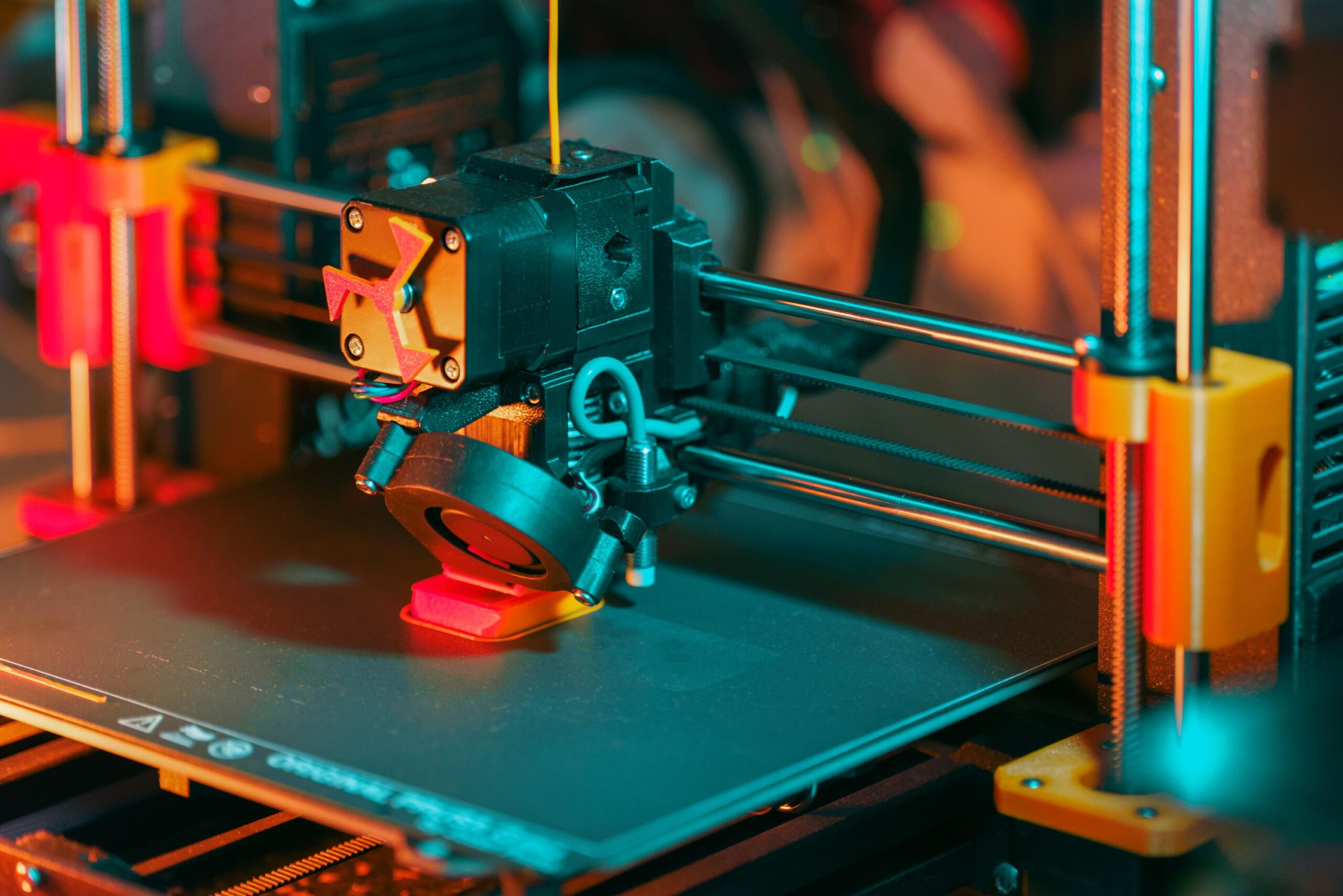
Desktop 3D printing has exploded. Makers, engineers, designers, educators, and small businesses now have more choices than at any point in this technology’s history. Bambu Lab printers have absolutely earned their reputation for speed, automation, and multi-color capability. But they’re not the only game in town.
Table of Contents
ToggleLarger build volumes, open-source customization, professional-grade reliability, better value for money. Today’s market has serious contenders across all of those categories, and some of them are genuinely impressive.
This guide covers the five best Bambu Lab alternatives for high-performance 3D printing, breaking down strengths, features, ideal users, and real-world value.
Why Consider a Bambu Lab Alternative?
Bambu Lab makes capable machines. That’s not the debate. The thing is, every user has different requirements, and one brand rarely checks every box.
Many professionals look elsewhere because alternatives offer:
- Larger printable volumes
- Open-source firmware
- Upgradeable hardware
- Better compatibility with third-party components
- Lower maintenance costs
- Excellent customer support
- Industrial-level reliability
- Greater customization options
At the end of the day, the right printer comes from your printing goals. Not from brand loyalty.
Key Features to Look for in a High-Performance 3D Printer
Before you start comparing models, take a hard look at these specifications.
Print Speed
Modern CoreXY printers routinely exceed 500 mm/s. Premium machines push well beyond that without sacrificing print quality. It’s genuinely impressive what’s available now.
Print Quality
Look for:
- High precision motion systems
- Stable frame construction
- Advanced vibration compensation
- Automatic pressure advance
- Excellent layer consistency
Build Volume
A larger build area lets you print:
- Functional prototypes
- Engineering parts
- Cosplay armor
- Architectural models
- Large mechanical assemblies
Automatic Bed Leveling
Reliable auto-leveling cuts setup time and dramatically improves first-layer success rates. Don’t underestimate this one.
Material Compatibility
A professional printer should handle:
- PLA
- PETG
- ABS
- ASA
- TPU
- Nylon
- Carbon Fiber Composites
- Polycarbonate
1. Prusa MK4S, The Best All-Round Alternative
Overview
Prusa’s reputation in desktop manufacturing is about as solid as it gets. The MK4S pairs exceptional print accuracy with reliability that professionals actually depend on. And unlike the closed ecosystems that dominate so much of this market, Prusa’s open philosophy genuinely appeals to both seasoned engineers and dedicated hobbyists.
Key Features
- Automatic first-layer calibration
- High-speed printing
- 32-bit electronics
- Open-source firmware
- Excellent slicer software
- Upgradeable design
- Reliable customer support
Advantages
- Outstanding print consistency
- Exceptional documentation
- Massive online community
- Long product lifespan
- Easy maintenance
Best For
- Professional makers
- Engineers
- Product designers
- Educational institutions
- Small businesses
2. Creality K2 Plus, Best Large-Volume Performance
Overview
The Creality K2 Plus has become one of the most talked-about CoreXY printers available right now. High-speed performance with a genuinely impressive build volume. That combination makes it more than suitable for demanding projects. Honestly, for large-scale work, it’s hard to beat.
Key Features
- Large enclosed chamber
- Multi-color capability
- Automatic calibration
- AI-assisted monitoring
- High-speed motion system
- Robust metal frame
Advantages
- Excellent value
- Large build area
- Fast printing
- Industrial appearance
- Strong ecosystem
Best For
- Large prototypes
- Manufacturing
- Small businesses
- Engineering applications
3. Elegoo Centauri Carbon, Best Value High-Speed Printer
Overview
Elegoo has been steadily expanding beyond resin printing, and the results are worth paying attention to. The Centauri Carbon targets engineering materials without asking you to spend a fortune. Speed, precision, competitive pricing. It covers a lot of ground.
Key Features
- Carbon-compatible nozzle
- Enclosed chamber
- High-speed CoreXY design
- Automatic leveling
- Camera monitoring
- Quiet operation
Advantages
- Affordable
- Strong performance
- Excellent beginner experience
- Good software compatibility
Ideal Users
- Beginners
- Students
- Hobbyists
- Home workshops
4. QIDI Plus4, Best Engineering Material Printer
Overview
QIDI has built real respect by focusing specifically on printers designed for advanced materials. Not as a side feature. As the core purpose. The Plus4 uses heated chamber technology that meaningfully improves printing with high-temperature filaments. If engineering-grade output is what you need, this machine is worth serious consideration.
Key Features
- Heated chamber
- Direct drive extruder
- High-temperature nozzle
- Automatic leveling
- Stable CoreXY frame
- Excellent cooling system
Material Support
- PLA
- PETG
- ABS
- ASA
- Nylon
- PC
- Carbon Fiber Nylon
- Glass Fiber composites
Advantages
- Excellent engineering performance
- Strong reliability
- Professional build quality
- Reduced warping
Best For
- Mechanical engineering
- Functional parts
- Industrial prototypes
- Manufacturing
5. Sovol SV08, Best Open-Source High-Speed Printer
Overview
Some users don’t just want a printer. They want a platform. The Sovol SV08 is built for exactly that kind of person. Its open-source design offers a level of flexibility that proprietary systems simply can’t match. And when you think about it, for developers and advanced hobbyists, that flexibility has real long-term value.
Key Features
- CoreXY motion
- Klipper firmware
- Automatic bed leveling
- High-speed operation
- Large print volume
- Upgrade-friendly hardware
Advantages
- Excellent price
- Huge customization potential
- Fast printing
- Active community
Ideal Users
- Experienced makers
- DIY enthusiasts
- Developers
- Advanced hobbyists
Performance Comparison
| Printer | Speed | Build Volume | Best Feature |
|---|---|---|---|
| Prusa MK4S | Excellent | Medium | Reliability |
| Creality K2 Plus | Outstanding | Large | Build Volume |
| Elegoo Centauri Carbon | Excellent | Medium | Value |
| QIDI Plus4 | Excellent | Medium | Engineering Materials |
| Sovol SV08 | Outstanding | Large | Open Source |
Which Printer Offers the Best Print Quality?
Raw speed is flashy. Consistency is what actually matters in practice.
The top performers here are:
- Prusa MK4S
- QIDI Plus4
- Creality K2 Plus
All three consistently produce smooth layers, accurate dimensions, and minimal print defects across a range of materials.
Best Printer for Beginners
New users need minimal setup friction. Plain and simple. The recommended options are:
- Elegoo Centauri Carbon
- Prusa MK4S
Both provide automated calibration, user-friendly software, and first-layer performance that doesn’t require you to babysit the machine.
Best Printer for Professionals
Professionals care about different things. Repeatability. High uptime. Material flexibility. Responsive customer support. The options that consistently deliver on all of those are:
- Prusa MK4S
- QIDI Plus4
- Creality K2 Plus
Best Printer for Large Projects
Helmets, cosplay props, architectural models, industrial components. If your work involves any of that, build volume stops being optional. It becomes the deciding factor.
The top options here are:
- Creality K2 Plus
- Sovol SV08
Their spacious build areas mean you’re splitting large models into multiple prints far less often. That alone saves significant time.
Open-Source vs Closed Ecosystem
Open-source printers give you:
- Greater hardware upgrade paths
- Firmware customization
- Community-developed improvements
- Long-term flexibility
Closed ecosystems tend to offer:
- Simpler user experience
- Better automation out of the box
- Streamlined updates
- Optimized software integration
So which is better? Honestly, it depends entirely on whether you prioritize customization or convenience. Neither approach is wrong.
How to Choose the Right High-Performance 3D Printer
Before purchasing, think carefully about:
- Budget
- Printing frequency
- Desired materials
- Available workspace
- Noise level
- Maintenance requirements
- Software compatibility
- Future upgrade options
Picking the right printer can meaningfully improve productivity, cut failed print rates, and open up project types you couldn’t attempt before.
Final Thoughts
The desktop 3D printing market has matured fast. Genuinely fast. The alternatives available now can rival or outright exceed what people expected from premium machines just a few years ago.
The Prusa MK4S is the clear pick for reliability and long-term support. The Creality K2 Plus dominates in large-scale production. The Elegoo Centauri Carbon punches well above its price point. The QIDI Plus4 is built specifically for advanced engineering materials. And the Sovol SV08 gives enthusiasts who love to customize a machine that can grow with them almost indefinitely.
Match your printer to your actual workflow, your budget, and the materials you work with. Do that, and professional-quality results are well within reach.
