

Computer Graphics Uses, Design Process & History

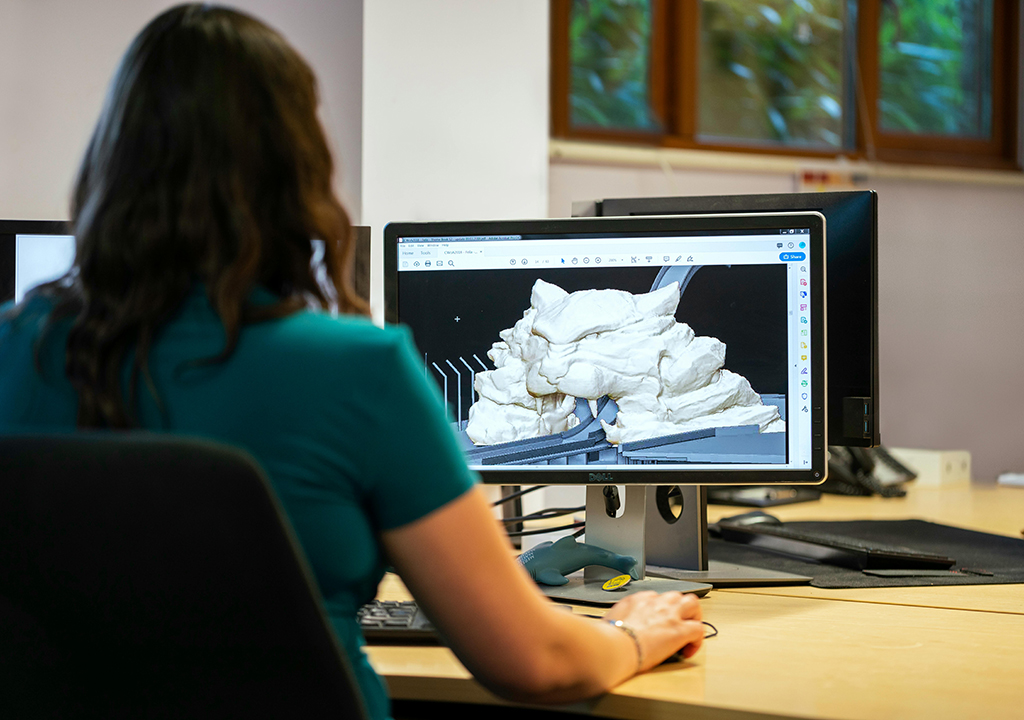
Learn about computer graphics and understand how they are used. Learn about the development of computer graphics and the history of computer graphics.
Table of Contents
ToggleHow do computer graphics work?
Any images or visual elements that are generated or manipulated by a computer are referred to as computer graphics. Digital artwork, pictures, and animations are all examples that fall into this broad umbrella term. Computer graphics also applies to 3D models as well as any techniques used for constructing or editing these images, which can be static, i,e., still, or dynamic, meaning they move and change with time. When compared to traditional art methods, computers are frequently utilized to produce images that are more realistic. From rasterization, which converts an image into pixels or digital values, to vector graphics, which use mathematical equations to bring shapes and lines to life, computer processing offers a plethora of options. Procedural generation constructs complex objects from simpler components, whereas ray tracing illuminates visuals by creating realistic lighting effects. Together, these techniques enable the creation of many different types of digital images used in a variety of domains, from gaming and film to medical imaging.
Process of Computer Graphic Design
Computer graphic design is a multifaceted practice that involves generating visuals from the ground up or adjusting existing photographs and artwork to assemble something completely unique. There’s no limit as far as this art form goes—but some key processes remain standard throughout all projects, represented in the table below.
The Development of Computer Graphics
Emerging in the 1950s, computer graphics have become an indispensable part of computing. At first, it consisted of simple monochrome shapes, lines, and curves that conveyed information visually. Now, technology and hardware advancements have enabled these images to become significantly more complex, eventually featuring color and shading, and animation techniques, leading to computer graphics and animation being used in applications like films, video games, and 3D printing.
Summary of Lesson
Computer graphics refers to the use of computers to create visuals like images and animations. The applications of computer graphics in today’s world are virtually limitless and continue to expand. These applications include 3D models, photos, animation, and virtual reality graphics. There are many different types of computer graphics, including cognitive graphics, which help users comprehend data; image analysis algorithms, which detect and interpret digital images; and generative graphics, which generate visuals such as animations or complex digital models.
Three common processes involved in creating many computer graphics are texturing (adding color, texture, and other details), lighting (using shadows and light), and rendering (conversion into a format that can be used and viewed). Computer graphics have evolved from simple, monochrome shapes to detailed, lifelike images that are used in a wide range of applications and industries thanks to powerful algorithms and technology.
FAQ
What are examples of graphics?
Examples of graphics include photographs, illustrations, diagrams, maps, flowcharts, and other visual representations. Computer graphics can be either dynamic or static, like an animated GIF or a JPEG image. Websites, videos, advertisements, presentations, and data representations like charts and graphs frequently make use of graphics.
Which five kinds of graphics exist?
Graphics can be grouped and categorized in a variety of ways. Vector, raster, 3D, animation, and interactive graphics are the five most common categories. There are a number of subcategories within each of these groups.