
Copyrighting AI-generated designs for merch: What to know


Is AI for commercial goods short, sometimes? Because the law emphasizes human authorship rather than machine authorship, images created by AI generally do not receive copyright protection.
However, if the platform terms allow it and you add real creative input on top, you can often sell AI art for commercial use. We break down the regulations, ambiguities, and safe routes for traders in this guide.
Disclaimer
This information is provided for informational purposes only and should not be construed as expert advice. The information is based on what we know as of the date of publication. Readers are advised to consult competent experts for specific circumstances. You are responsible for any actions you take based on this information. Printify is not responsible for any loss or damage.
What is AI-generated art?
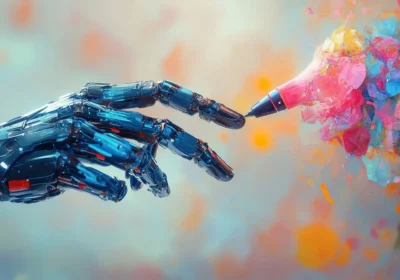
Artwork generated by an AI system, such as Midjourney, Nano Banana, or Dall-e, which transforms your concepts or text prompts into complete graphics, is called AI-generated art.
Instead of drawing by hand, the AI model generates graphics based on your description. Copyright law views this type of art differently than traditional work because of the difference between human selection and computer production.
Can you copyright an AI-generated design?
In short, current US law prevents purely AI-only designs from being protected by copyright. According to the US Copyright Office, only creative works created by humans are protected by copyright law.
- A piece of art will not be protected by copyright as a stand-alone work if it is taken directly from a creative AI system or other computer software without significant modification.
Everything changes when you take on the role of creator. If you take AI art as a starting point and then create, redraw, and guide it with identity, you can gain protection for the pieces you create.
Cases when AI designs for commercial goods can be copyrighted.
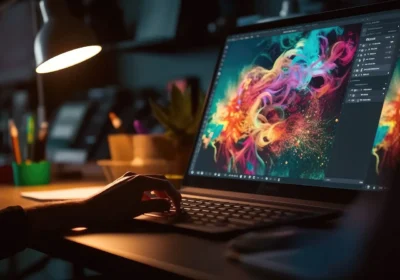
Some designs created for commercial goods may still qualify for copyright protection even if an AI system helps you. Your claim to be a creator is only as strong as the influence your hands, taste, and brain have on the finished piece.
AI-generated images for commercial use on t-shirts, posters, or hoodies may fall into the “copyrightable” category in the following scenarios.
Human creative input that is qualified.
Think of the AI output as an initial sketch. By adding your own selections on top, you transform it into merchandise-ready art. Your contribution may be eligible, for example, if you:
- Overlay the base image by hand. After importing the AI artwork into a drawing program, you can add hand-drawn texture, change positions, adjust lighting, trace, and recreate anatomy. The final piece of art is clearly different from the original.
- Add real, unique ingredients. You remove the AI background and create a new landscape, such as brand-specific iconography, your mascot, unique writing, or inside jokes for your location. Rather than just being add-ons, these unique components can serve as the foundation of the design.
- Significantly change the texture and composition. Letters are rearranged, angles are changed, hard cuts are made, and the color scheme is reworked. The AI component becomes just one component of a complex design that reflects your imagination rather than a machine’s default choice.
- Combine multiple sources by hand. You combine multiple AI images, photos, and your own illustrations to create a unified poster. While a single starting file wouldn’t qualify on its own, the way you put them together can be a protected creative work in and of itself.
To put it briefly, if you ever need to demonstrate ownership or resolve an infringement claim, your position will be strengthened if your innovation is the driving force behind the final product.
Using AI as a tool vs. AI as a creator
Here’s a quick mental test: is the AI an “artist” or are you the director?
- AI as a tool. AII can be used to create reference thumbnails, discuss positions, and create basic backgrounds. The final artwork is then personally polished, redesigned, and re-created for your store. Your taste, judgment, and effort are reflected in the design.
- The creator is A I.After entering a few text prompts into the image generator, you download the first output, place it on a mug, and call it a day. The law assumes very little human interaction in this case.
AI output that closely resembles another artist’s style or that mimics well-known figures or brands carries a higher risk from a legal perspective. Even if you had no malicious intent, this can lead to copyright infringement and disputes. It is your responsibility to ensure that the content you produce using AI tools respects the rights of third parties.
Keeping your role as a human creator clear, avoiding similar brands or roles, and viewing AI as a flexible tool in your creative process rather than a replacement for human innovation will help you avoid bottlenecks.
Cases when AI designs cannot be copyrighted.
Copyright cannot be claimed for every design that comes out of the latest generator. Even if a piece of art looks great on a sweatshirt, it doesn’t meet current standards. The following are common situations in which AI images are not considered assets that can be protected, and you often receive temporary images rather than long-term rights.
Pure AI-generated images (zero human editing)
Imagine entering a question, selecting “Create,” and printing the result directly onto a mug. In this case, the final image was created by a creative system, not by you. Since there is no significant human creator behind the final appearance, this type of art is generally not eligible for copyright protection under current interpretations of the law.
- A platform license may still give you commercial use rights, but not actual ownership.
Designs that imitate copyrighted styles or characters.
Problems arise when designs rely too heavily on well-known characters or recognizable aesthetics. Even if a generator has produced an initial draft, copyright infringement concerns can arise if your work closely resembles protected material, such as a near-clone of a superhero or the work of an artist.
- If a brand determines that the use is unfair and infringing, the court may view this finding as a violation of the original artists’ trade dress and intellectual property rights, rather than your own ideas. This could lead to disputes or potentially legal action.
Signs that mimic safe images.
The system is simply pushed towards safe images rather than a loose environment, ent such as “Recreate this identical movie poster I describe” or “Draw a one-to-one reproduction of [famous character].” You have asked the system to trace someone else’s homework, even if the file is a new image.
- Instead of trying to reverse engineer specific graphics for commercial purposes, always build on unique ideas or content in the public domain. It is your responsibility to ensure that the output generated by AI respects applicable laws and regulations and does not infringe on the rights of third parties.
Possible violations from training datasets
The datasets needed to train AI represent another gray area. Some systems have been criticized and sued for using copyrighted material during AI training without an explicit license. A creator cannot change how a business sources its data, and this debate is still ongoing.
- If you want to build a brand around a lot of AI content, choose providers who can explain their data policies, and consult a legal professional before scaling.
How to sell goods made with AI art
You still can’t get full rights to fully machine-generated images, you’re an AI. Join forces with print-on-demand businesses like Printify, use hundreds of blank items from desk mats and t-shirts to mugs and tote bags, upload your own image files, and add designs.
Create artwork tailored to your location using a creative AI tool, make any necessary adjustments, and then post your creations to sales platforms like Etsy, Amazon, or Shopify. One person can manage a store worldwide while focusing on marketing and creating new designs, as a fulfillment firm prints and ships every purchase.
You continue to be the artist and brand behind every drop, even as AI copyright regulations tighten.
Ethical considerations when selling AI art supplies
Respect intellectual property.
Avoid using signals that follow well-known characters or track the work of artists. It’s your responsibility to make sure that your use of AI tools for content creation is consistent because if your design is too similar to someone else’s work and you risk infringing on their intellectual property rights, you risk more than just bad vibes. You risk arguments related to fair use, potential copyright disputes, and other legal action.
Be transparent about AI involvement.
While some consumers value human craftsmanship, others prefer cutting-edge technology. A short statement like “created with the help of an AI tool and finalized by hand” can alleviate expectations and concerns about ownership, AI art, and other matters.
Consider the ethics of how the AI was trained.
Not all AI models are built the same. Stay up-to-date on news about training AI systems, especially when it comes to Stability AI or stable diffusion tools, and choose suppliers who are transparent about data sources and licenses.
Prioritize authenticity.
Instead of hiding your personal style, use AI as a tool to enhance it. Incorporate hand-crafted elements, remix references, and maintain your brand voice in every image you create. Instead of just another generic, robot-like look, users remember the person behind the screen.
Conclusion
The basic premise behind copyrighting AI-generated designs for commercial use isthata,t under current AI copyright regulations, your position is only as strong as the hands and head you have involved in the final creation. Use AI art as a starting point, incorporate real creative choices, consider other artists, and document your workflow.
Are you ready to give it a try? Use it to start selling AI-powered designs and turn your next idea into merchandise.