
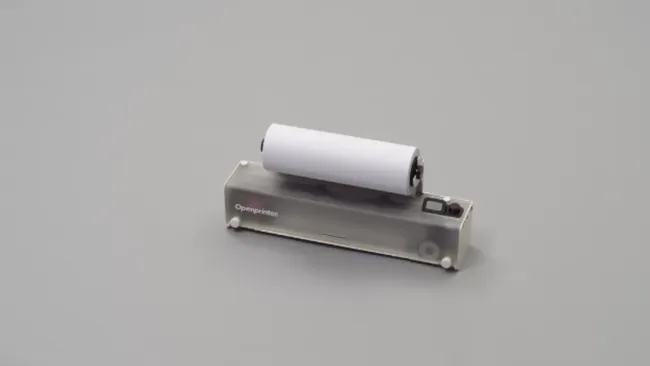
Open-source hardware has quietly rewritten the rules across robotics, home automation, and now — perhaps most unexpectedly — printing. A Raspberry Pi-powered open-source printer has been turning heads internationally, partly because it earned a prestigious design award nomination. But the recognition isn’t the real story. The real story is what this machine represents: a direct challenge to the closed, proprietary printing ecosystems that have frustrated users for decades. It brings modular engineering, genuine repairability, sustainability, and software freedom into a single cohesive platform.
Table of Contents
ToggleThis guide breaks down the architecture, design philosophy, expected specifications, core advantages, and future potential. And why it matters — to makers, educators, professionals, and anyone who’s ever had to throw out a perfectly functional printer because one obscure component failed.
What Is the Raspberry Pi-Powered Open-Source Printer?
At its core, it’s a modern printing platform built around the Raspberry Pi single-board computer. Not proprietary embedded hardware. Not locked firmware. The Raspberry Pi.
Unlike conventional printers — which rely almost entirely on manufacturer-controlled software and closed firmware — this design embraces a fundamentally different set of values:
- Open-source firmware
- Open hardware philosophy
- Repair-friendly construction
- Modular components
- User-upgradable electronics
- Community-driven improvements
Rather than trapping users in expensive cartridge ecosystems or repair procedures that require sending the device back to a manufacturer, the printer is engineered from the ground up for transparency and long-term usability.
Why This Printer Is Receiving Global Attention
Several things set this apart from what you’d find on any office supply shelf.
Open Hardware Design
Every major component is designed with accessibility in mind. That’s not a marketing phrase here — it’s an engineering commitment.
Users can:
- Replace damaged parts
- Upgrade electronics
- Modify firmware
- Customize workflows
- Improve hardware without hitting manufacturer walls.
The result? A product lifecycle that runs dramatically longer than anything in the conventional consumer printer market.
Raspberry Pi Integration
Using a Raspberry Pi brings real computing advantages to the table. Not theoretical ones. Actual ones.
Benefits include:
- Fast processing
- Linux compatibility
- Network printing
- Wireless management
- Remote monitoring
- Cloud integration
- Future software expansion
And because Raspberry Pi sits at the center of one of the world’s largest maker communities, developers can keep improving printer functionality well after the hardware ships.
Key Hardware Components
| Component | Purpose |
|---|---|
| Raspberry Pi | Main controller |
| Custom PCB | Hardware communication |
| Stepper Drivers | Mechanical precision |
| Print Engine | Document printing |
| Touch Interface | User control |
| Wi-Fi Module | Wireless connectivity |
| USB Ports | Peripheral support |
| Power Management | Efficient energy use |
Modern Industrial Design
Part of what earned this printer its award nomination is the industrial design itself. It doesn’t look like a traditional office printer. Honestly, that’s a feature.
It sports:
- A minimalist exterior
- Compact footprint
- Tool-free access
- Replaceable panels
- Sustainable materials
- An efficient internal layout
Aesthetics, maintainability, and usability get equal weight here. None of the three gets sacrificed for the others.
Sustainability at the Core
Electronic waste keeps climbing globally — and a big reason for that is how consumer printers are built. One minor failure, and the whole unit becomes landfill. That’s a design choice manufacturers make, not an inevitability.
This printer pushes back against that by encouraging:
- Easy repairs
- Component replacement
- Long product lifespan
- Reduced electronic waste
- Lower maintenance costs
That philosophy lines up directly with the right-to-repair movement gaining traction across multiple industries.
Repairability Advantages
Traditional printers often demand professional servicing for problems any competent user could fix themselves — if only they could get inside the machine without breaking it.
This printer changes that. Users can typically access:
- Rollers
- Belts
- Electronic boards
- Sensors
- Connectors
- Housing panels
…without damaging the enclosure. Maintenance gets faster. Less expensive. Far less frustrating.
Software Flexibility
Raspberry Pi runs Linux. That single fact opens an enormous door.
Potential software capabilities include:
- Remote dashboard
- Web interface
- Print queue management
- User authentication
- Network administration
- Secure updates
- Cloud synchronization
The open architecture also lets organizations build custom enterprise workflows from scratch — no vendor permission required.
Educational Benefits
Schools and universities have been adopting Raspberry Pi devices for STEM education for years now. This printer extends that trend into something more tangible.
Students get hands-on experience with:
- Linux systems
- Hardware engineering
- Embedded programming
- Electronics
- Network administration
- Mechanical systems
- Open-source development
And educational institutions can modify the software however they need to, with zero licensing restrictions standing in the way.
Maker Community Opportunities
The maker community stands to gain a lot here. The open hardware model means modifications aren’t just tolerated — they’re the point.
Possible modifications include:
- Additional sensors
- Camera integration
- Automatic diagnostics
- Voice control
- IoT connectivity
- Smart notifications
- Custom interfaces
Developers can build plugins that push functionality well beyond standard document printing. The baseline is just the starting point.
Security Improvements
A lot of conventional printers are running firmware that hasn’t been updated in years. That’s a real problem — and one that gets quietly ignored in most product discussions.
A Raspberry Pi platform changes the security posture entirely:
- Frequent security patches
- Open code review
- Community auditing
- Secure authentication
- Network encryption
- Modern Linux security updates
Transparency tends to improve long-term security. When anyone can audit the code, vulnerabilities don’t stay hidden for long.
Advantages Over Traditional Printers
| Traditional Printer | Open-Source Raspberry Pi Printer |
|---|---|
| Closed firmware | Open firmware |
| Limited repairs | Repair-friendly |
| Proprietary upgrades | Modular upgrades |
| Locked software | Open software |
| Difficult customization | Highly customizable |
| Manufacturer dependency | Community support |
| Short lifecycle | Long lifecycle |
Performance Expectations
Full commercial specifications haven’t been locked in yet. But the platform is expected to prioritize:
- Reliable document printing
- Fast processing
- Efficient networking
- Low maintenance
- Quiet operation
- Energy efficiency
- Expandability
The Raspberry Pi provides more than enough computing headroom for advanced print management tasks. That’s not in question.
Network Printing Capabilities
Modern offices — and increasingly, homes — need seamless connectivity. Expected networking options include:
- Ethernet
- Wi-Fi
- USB
- Local network printing
- Remote administration
- Multi-user support
That feature set covers homes, schools, makerspaces, and small businesses without breaking a sweat.
Open-Source Ecosystem Benefits
Open-source projects move fast when a community gets behind them. Developers can contribute:
- Bug fixes
- New features
- Security updates
- Hardware improvements
- Driver compatibility
- User documentation
That collaborative momentum tends to outpace what a single company’s internal team can sustain over time.
Potential Future Features
Future software updates could bring in:
- AI-assisted maintenance
- Predictive diagnostics
- Mobile management
- Cloud backup
- Voice assistant integration
- Automated calibration
- Smart energy optimization
The modular Raspberry Pi platform doesn’t fight these additions — it’s practically designed for them.
Design Philosophy
The printer is built around five core engineering principles.
Simplicity — Every component stays accessible.
Longevity — Replaceable parts mean the product actually lasts.
Transparency — Users understand what the system is doing and why.
Sustainability — Repair instead of replace. Less waste. Full stop.
Community Innovation — Development is distributed among contributors across the world.
Ideal Users
This printer makes the most sense for:
- Schools and universities
- Makerspaces
- Small businesses
- Engineers
- Linux users
- Developers
- Open-source enthusiasts
- Repair advocates
The thing is, its flexibility makes it genuinely useful across both educational and professional settings — not just one or the other.
Expected Benefits for Businesses
Organizations moving toward open-source hardware tend to see:
- Lower maintenance costs
- Longer hardware lifespan
- Reduced vendor lock-in
- Easier fleet management
- Better security transparency
- Lower total cost of ownership
Small businesses especially benefit. Modular hardware means you’re not at a manufacturer’s mercy every time something needs fixing or upgrading.
Why the Design Award Nomination Matters
Recognition from a respected design competition signals more than good looks. It acknowledges:
- Engineering innovation
- User-centered design
- Sustainable manufacturing
- Accessibility
- Functional excellence
Award nominations carry weight because they reflect broader industry confidence. When evaluators who’ve seen hundreds of products single something out, that’s worth paying attention to.
The Future of Open-Source Printing
The printing industry has depended on proprietary ecosystems for a long time. Decades, really. Raspberry Pi-powered open-source printers signal something is shifting — toward user ownership, genuine repairability, and software freedom that doesn’t require asking anyone’s permission.
As community development deepens and modular hardware matures, these devices could genuinely reshape how individuals, schools, businesses, and makers think about printing technology. Not incrementally. Structurally.
By pairing Raspberry Pi’s computing power with open-source software, modular engineering, and sustainable design principles, this next generation of printers makes one thing clear: innovation doesn’t need a closed commercial ecosystem to thrive. It needs transparency, customizability, repairability — and hardware built to grow alongside the people using it.
