
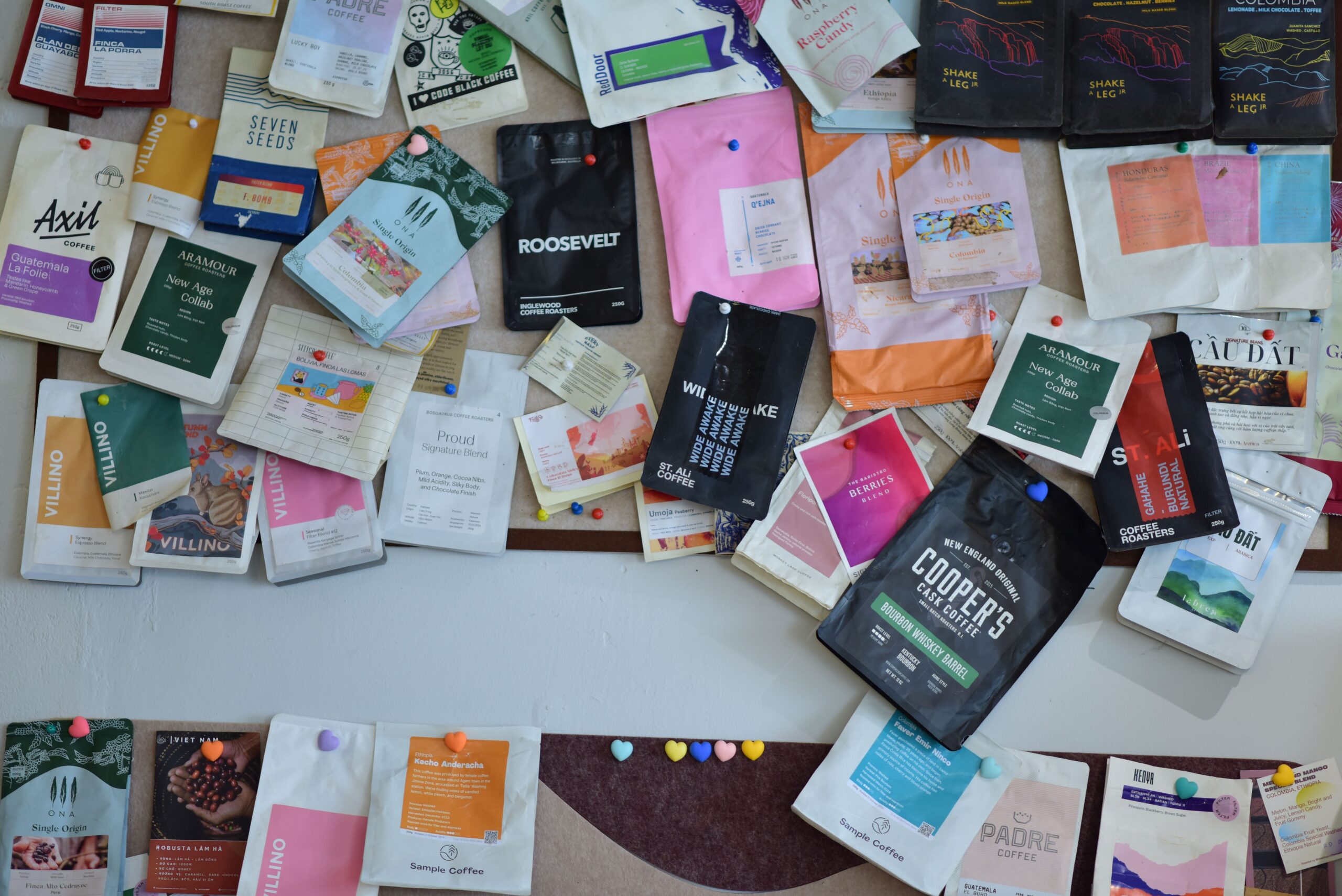
Your brand’s visual identity is the most powerful tool for grabbing attention in a crowded market. As we approach 2026, I aim to guide you in using packaging design trends to convert casual browsers into devoted customers.
I’m here to offer a practical guide for your future strategy. We’ll delve into how to enhance shelf appeal, boost recognition, and craft unforgettable unboxing experiences. These efforts will drive real conversions.
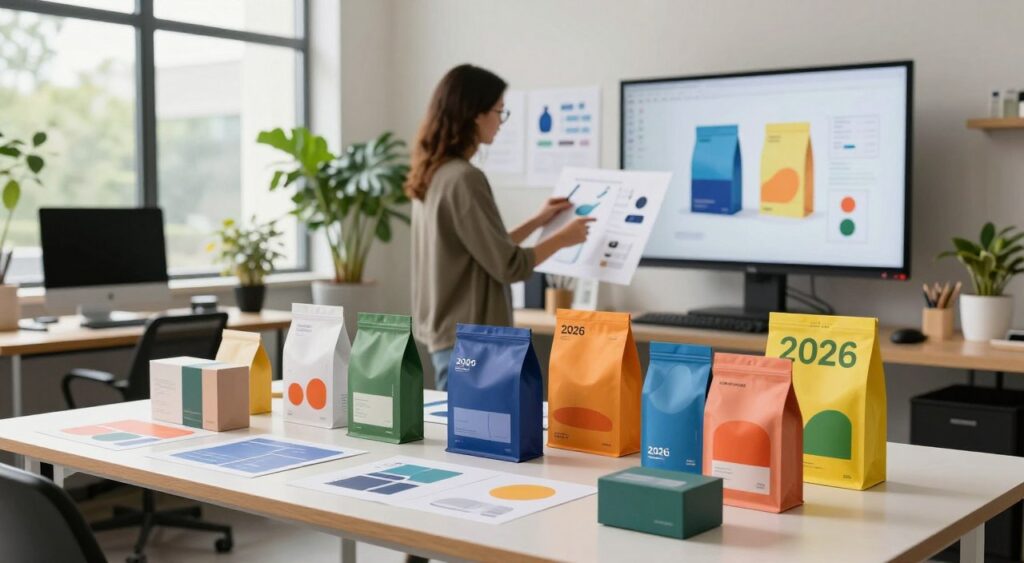
Packaging Design Trends
In this guide, I’ll demonstrate how to assess the latest packaging trends to match your business objectives. You’ll discover how to choose sustainable materials and smart digital features. We’ll also explore how to measure your success effectively.
Key Takeaways
- Align your visual strategy with consumer behavior to boost conversion rates.
- Prioritize shelf appeal to stand out in competitive retail environments.
- Use sustainable materials to build long-term brand trust and loyalty.
- Integrate digital features to enhance the customer unboxing experience.
- Implement clear metrics to track the performance of your creative choices.
Define the Brand Goals Behind My Packaging Strategy
My packaging strategy starts with understanding my brand’s goals in the market. I view every box and label as a strategic asset, crucial for success. By setting clear objectives early, I keep my creative direction focused on long-term growth.
Connect packaging choices to customer expectations.
I align my visual identity with my target audience’s needs. When creating innovative packaging designs, I prioritize the user experience. This ensures the product feels intuitive and valuable at first glance. Understanding the customer journey helps bridge the gap between brand promise and reality.
Set measurable goals for shelf appeal, recognition, and conversion
I set specific benchmarks to measure my packaging’s performance. Whether exploring sustainable packaging solutions or new aesthetics, I focus on three key metrics: visual impact, brand recall, and purchase intent. These goals justify my design investments and help refine my approach.
Audit current packaging performance before redesigning
Before adopting a new design, I audit my current packaging. This step prevents discarding elements that work well for my brand. I examine data to identify where my packaging excels and where it falls short.
Review sales data, customer feedback, and retail visibility
I analyze sales trends to identify underperforming product lines due to poor shelf presence. I also gather customer feedback to pinpoint issues, such as packaging difficulties or confusing labels. This data-driven approach ensures my next design is based on reality, not just intuition.
Identify design elements worth retaining or replacing
I categorize my design assets based on their impact on recognition and growth. I keep iconic elements like colors or logos to maintain brand equity while updating for efficiency. The table below outlines my evaluation process during the audit.
Design Element | Performance Metric | Action Plan |
Brand Logo | High Recognition | Retain |
Material Quality | Low Durability | Replace |
Color Palette | High Shelf Appeal | Retain |
Opening Mechanism | Poor User Experience | Replace |
Evaluate the Packaging Design Trends Shaping 2026
Staying ahead in the latest packaging trends is crucial for 2026. Analyzing visual communication evolution ensures my brand stays relevant. Modern consumers seek both substance and style.
Prioritize expressive minimalism over empty visual simplicity
True minimalism is about intentional communication, not just removing elements. I focus on expressive minimalism. It uses negative space to emphasize key product features, avoiding a hollow feel.
Use bold typography and distinctive color systems for recognition
To stand out on crowded shelves, I use high-contrast typography and unique colors. These elements form the foundation of brand recognition. They allow customers to spot my products from afar.
Explore nostalgic references with contemporary execution.
The future of packaging design often looks to the past for emotional connections. I mix vintage motifs with modern printing for a fresh, sophisticated look. This approach resonates with today’s market.
Apply modular and adaptable designs across product lines
Consistency is key for diverse product portfolios. I use modular designs that scale visual assets while maintaining brand identity.
Build a flexible visual system for multiple sizes and formats
I design a flexible visual system for various containers. From small pouches to large boxes, it ensures the brand message is clear. This adaptability is crucial.
Keep packaging consistent across physical and digital channels
I treat my digital representation of packaging with the same care as physical packaging. Maintaining visual harmony across retail and e-commerce platforms reinforces trust in the future of packaging design.
Choose Sustainable Packaging Solutions Without Sacrificing Performance
Today’s consumers seek eco-friendly packaging trends but expect no compromise on product quality or safety. I’ve found that integrating environmental responsibility into the design process is key. This approach ensures I meet expectations while preserving brand integrity.
Reduce material use through right-sizing and lightweight structures
I focus on right-sizing my packaging to cut down on unnecessary air and void space. This not only reduces raw material needs but also lowers shipping costs by improving pallet density. Lightweight structures help maintain protection while significantly reducing carbon footprint.
Select recyclable, compostable, and renewable materials responsibly
Choosing the right material is crucial for sustainable packaging solutions. I opt for materials accepted in municipal recycling or those with certified compostability. Renewable resources, like plant-based fibers, offer a durable alternative to plastics, maintaining a premium package feel.
Design packaging for easier sorting and end-of-life recovery
My design process now considers the entire lifecycle of the package. I aim to make end-of-life recovery intuitive and efficient for users.
Use clear disposal instructions and recognized recycling guidance
I provide clear, concise disposal instructions on every package. Using recognized symbols and standardized language ensures materials are sorted correctly at disposal.
Avoid material combinations that complicate recycling.
I avoid laminates or adhesives that bond incompatible materials. Such combinations often hinder recycling, even if components are technically recyclable. Simplicity in material selection is crucial for ensuring recycling.
Balance sustainability claims with durability, cost, and product protection.n
My commitment to the planet must not compromise product safety during transit. I conduct rigorous testing to confirm that thinner or recycled materials still offer necessary barrier properties. Cost control is also a priority, and reducing material volume often offsets the higher cost of eco-friendly substrates.
Verify environmental claims before placing them on the package
Transparency is vital for building trust with my audience. I verify all environmental claims through third-party certifications before printing them. This diligence prevents greenwashing accusations and ensures my messaging is accurate and meaningful.
Build Innovative Packaging Designs Around the Unboxing Experience
Innovative packaging designs turn a simple delivery into a memorable event. The unboxing process is key, bridging the digital purchase to the physical product. By focusing on this journey, I can transform a standard transaction into a memorable brand interaction.
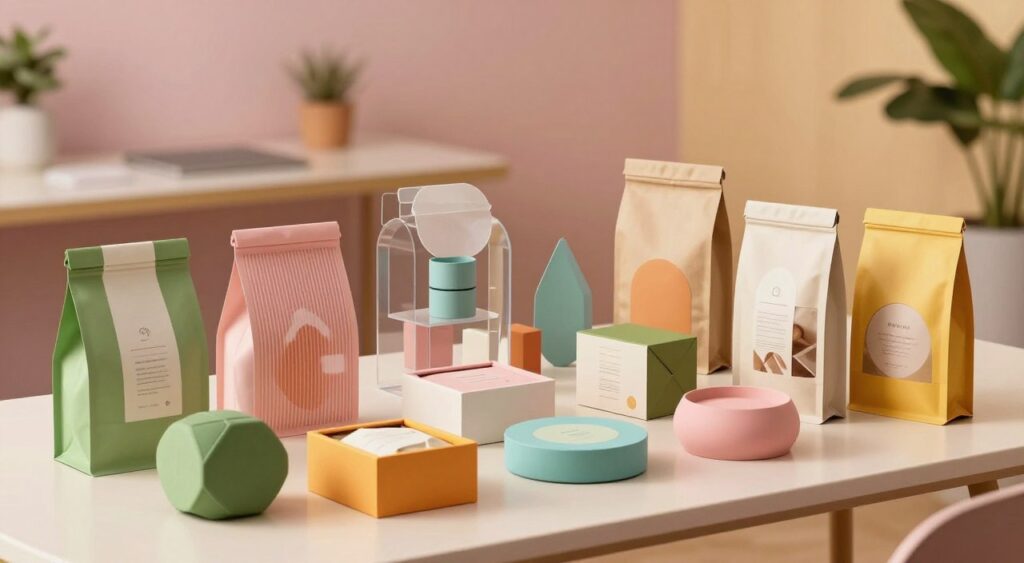
Innovative packaging designs
Map every physical interaction from opening to product use
I begin by mapping every touchpoint, from cutting the tape to the final reveal. This helps me identify areas for improvement. Understanding the user journey enables me to design a sequence that feels intuitive and rewarding.
Use structure, texture, and sound to create memorable moments
The sensory experience is crucial for lasting impressions. I use textures like soft-touch coatings or embossed logos to encourage physical interaction. The sound of a magnetic closure or the snap of a box lid also enhances perceived quality.
Turn secondary packaging into a useful or reusable feature
One effective idea is to extend the life of the container. Instead of discarding the outer box, I design it for a secondary purpose. This adds tangible value and reduces environmental impact.
Add compartments, resealable closures, or storage functions
I often include internal dividers or custom compartments for organization. Resealable closures keep the packaging functional after the initial opening. These features offer a sense of order and care that customers value.
Remove unnecessary layers that create waste or frustration
Complexity should never hinder user convenience. I remove excess plastic wraps or difficult-to-open layers that cause frustration. Streamlining the structure ensures the focus remains on the product.
Make the unboxing experience appropriate for retail and direct-to-consumer orders.
Balancing retail shelf needs with direct-to-consumer shipping is crucial. I use emerging packaging design ideas that ensure durability while maintaining visual appeal. I aim to create a consistent brand narrative across all delivery methods.
Apply Smart Packaging and Digital Features With Purpose
Exploring evolving packaging design styles, I notice digital integration as a link between the product and consumer. I view these elements as functional services, not just fancy tech. By adopting creative packaging concepts, I ensure each digital aspect enhances the user’s journey.
Use QR codes to connect packaging with useful digital content
QR codes act as a direct portal to deeper brand interaction. They grant instant access to tutorials, assembly guides, or sustainability reports. This seamless connection boosts customer confidence in their purchases.
Provide product education, authentication, and traceability.
Transparency is key to modern consumer trust. I employ digital tools to verify authenticity, crucial for premium items. I also share traceability data, allowing customers to confirm the product’s origin and ethical production.
Design augmented reality and interactive features around customer value
Augmented reality should solve a problem or add value. I craft these features to help users see products in their space or unlock special rewards. Done right, it turns a simple box into an engaging brand story.
Test scanability across lighting conditions and mobile devices
Technical reliability is essential for a successful digital strategy. I test scanability under different lighting to ensure a smooth user experience.I aim to make sure every customer can access content, regardless of their mobile device.
Keep essential product information visible without requiring a scan
I never conceal critical details behind digital layers. Important info like ingredients, safety warnings, and usage instructions must be visible on the package. Digital features should supplement this, not replace it.
Protect customer privacy and maintain digital accessibility
I ensure all digital interactions meet strict privacy standards. It’s my duty to keep digital content accessible to all, including those with disabilities. By adhering to these principles, I foster a responsible and inclusive digital space for my brand.
Develop Creative Packaging Concepts for Different Customer Needs
Innovation in packaging begins with understanding the varied needs of those who use my product. By focusing on creative packaging concepts, I ensure my brand is accessible and welcoming to all. This includes those with physical or cognitive challenges.
Design inclusive packaging that improves access and usability
Inclusive design aims to remove barriers that hinder enjoyment of my products. I design structures that are simple to grip, open, and handle. This enhances the user experience for a wider audience.
Use color, contrast, and typography for clear communication
Clear communication builds trust and ensures safety. I employ high-contrast colors and clear, sans-serif fonts. This makes information easily readable against the background.
Support customers with visual, motor, or cognitive limitations
I design labels for those with low vision, using larger fonts and tactile elements like embossing. For those with motor challenges, I incorporate easy-open tabs and non-slip textures. These details show my commitment to my customers’ comfort and independence.
Test opening instructions with real users before launch
I verify the intuitiveness of my design through rigorous testing with diverse users. This ensures instructions are clear and the packaging is user-friendly.
Personalize packaging without creating inefficient production complexity
I personalize through modular design elements that can be swapped during printing. This allows for unique variations without overhauling production lines.
Adapt emerging packaging design ideas to regional and cultural preferences
I monitor emerging packaging design ideas to keep my brand relevant globally. By adjusting colors and imagery to fit local cultures, I connect with regional audiences more deeply.
Use storytelling to communicate origin, craftsmanship, and brand purpose
Packaging is a canvas for my brand’s story. I share the origin and dedication to craftsmanship in the limited space on boxes. This transforms a simple container into a meaningful touchpoint that aligns with my customers’ values.
Turn Evolving Packaging Design Styles Into a Production-Ready System
Transforming evolving packaging design styles into reality requires a fusion of creativity and engineering. My goal is to convert my artistic ideas into containers that are not only durable but also cost-effective. These containers must protect my products during transit.
Translate the selected trend into a practical design brief
I start by breaking down trends into a detailed design brief. This document outlines the materials, dimensions, and visual aspects needed to uphold brand standards. By setting these parameters clearly, I ensure all stakeholders are aligned with the project’s objectives from the outset.
Prototype materials, finishes, structures, and opening mechanisms
Prototyping is crucial for validating my concepts in real-world settings. I experiment with different textures and shapes to enhance the unboxing experience. This process ensures the packaging feels premium yet remains practical for everyday use.
Compare digital mockups with physical samples.
Digital renderings often appear flawless on screens but can conceal physical issues. I always compare my digital mockups with physical prototypes to verify color accuracy, scale, and material feel. This step is essential to avoid costly mistakes before mass production starts.
Test stacking, shipping, tamper resistance, and product protection
My packaging must withstand the challenges of the supply chain. I conduct stress tests to assess its performance under stacking, vibration, and tampering. It’s crucial to ensure the product’s security, alongside its visual appeal.
Coordinate designers, printers, suppliers, retailers, and compliance teams
Successful production hinges on effective communication among various departments. I organize regular meetings between my design team, print partners, and compliance officers. This ensures all regulatory needs are met without compromising the package’s visual impact.
Control costs while preserving the visual elements customers notice first
I focus on the visual aspects that capture customer attention while seeking production efficiencies. By selecting appropriate materials and printing methods, I maintain a premium look without increasing costs. The table below illustrates how I balance these priorities:
Element | Visual Priority | Cost Strategy |
Typography | High | Standardized fonts |
Finishes | Medium | Spot UV vs. full coating |
Structure | High | Right-sized materials |
Prepare packaging specifications for consistent future production
Lastly, I document every design detail into a comprehensive specification sheet. This ensures the future of packaging design for my brand remains consistent across different production runs. Standardizing these technical requirements guarantees high-quality packaging, regardless of production timelines or supplier changes.
Measure Whether My Packaging Trends Strategy Is Driving Success
I must assess if my packaging design trends are boosting my brand’s performance. Without solid data, my efforts might be in vain. I focus on a methodical approach to guarantee each design decision adds value to my business.
Track shelf visibility, recognition, and purchase behavior
I keep an eye on how quickly my products stand out in a busy retail space. Visual impact is key to measuring success. An uptick in brand recognition signals that my designs are grabbing attention effectively.
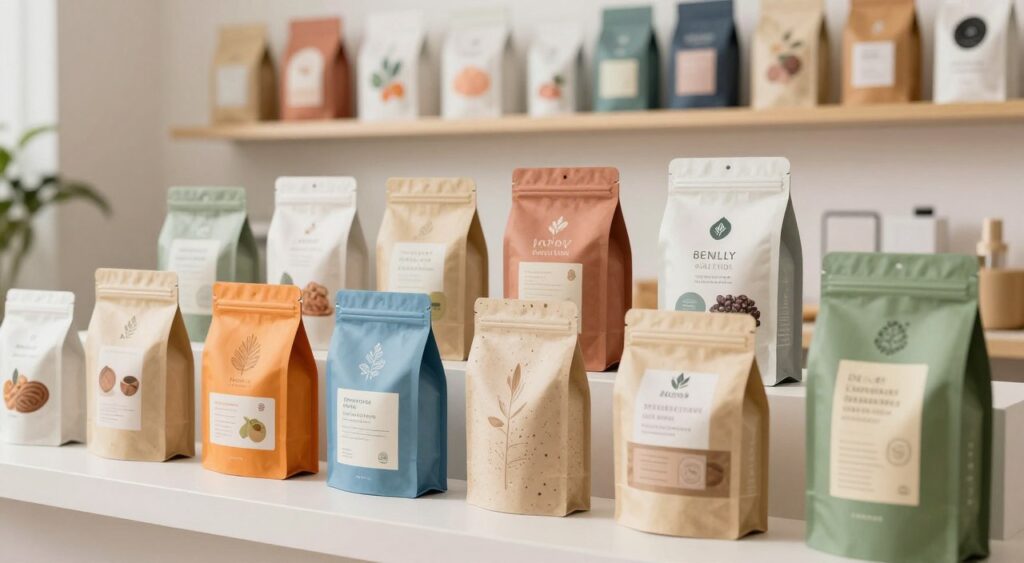
packaging design trends
Measure packaging-related performance across retail and ecommerce
My strategy needs to excel in both physical and digital environments. I examine how my packaging affects the customer’s journey from initial interest to final unboxing.
Monitor conversion rate, repeat purchase, returns, and damage
I track conversion rates to gauge if my new design boosts sales. I also monitor return rates and damage reports, which often point to structural issues. High repeat purchase rates indicate strong brand loyalty.
Compare results before and after the packaging change
I compare performance data before and after introducing my new design. This analysis reveals which aspects of my packaging design trends offer the greatest value. Significant improvements in sales velocity validate my investment.
Collect customer and retailer feedback after launch
Direct feedback offers insights that numbers alone can’t provide. I engage with retailers to gauge how the new packaging performs in their stores. I also watch customer reviews to ensure the unboxing experience meets their expectations.
Review sustainability results using credible operational metrics
Implementing eco-friendly packaging trends requires verifying their impact through data. I track material weight reduction and the percentage of recycled content. These metrics confirm my commitment to sustainability is genuine and measurable.
Refine the design through controlled testing and regular iteration
I view my packaging as a dynamic entity that needs continuous refinement. Through A/B testing, I pinpoint the most effective design variations for different markets. These insights guide my ongoing design improvements, keeping my brand competitive and relevant.
Conclusion
In 2026, my approach to packaging shifts dramatically. I see every box and label as a crucial element that shapes my brand’s identity. By aligning my design with clear business objectives, I craft a story that connects with my audience.
Sustainability and digital integration are at the forefront to meet today’s consumer needs. These aspects foster trust and loyalty over time. I view packaging as a dynamic customer experience, not just a visual element.
It’s time to review your designs against these new standards. Begin with small tweaks to gauge their effect on sales and customer engagement. Through continuous improvement, I refine my strategy based on feedback from retailers and customers.
Your packaging acts as a silent advocate for your products. Embracing these trends is essential to stand out in a competitive market. Now, it’s your turn to chart a course toward more meaningful and impactful design.
FAQ
How do I determine which packaging design trends will actually drive growth for my brand?
I begin by assessing my current performance and setting clear goals for shelf appeal and conversion. Analyzing data from brands like Oatly or Nike helps me understand if I need to boost brand recognition or revamp my aesthetic. It’s crucial to choose trends that align with commercial goals, not just to appear trendy.
How can I implement sustainable packaging solutions without sacrificing product protection?
I focus on reducing material waste by using right-sized, lightweight structures. I select recyclable or compostable materials and test them under real-world shipping conditions. This ensures the package remains durable. Transparency is key, so I verify environmental claims before printing.
What defines the future of packaging design regarding visual aesthetics and recognition?
The future of packaging design leans toward expressive minimalism and bold typography. Unlike the simplicity of the past, this approach uses distinctive colors for brand recognition. I recommend developing modular systems that maintain consistency across products, similar to Apple‘s visual language.
How do I create innovative packaging designs that enhance the unboxing experience?
I focus on every touchpoint, from the box’s feel to the sound of the seal breaking. Incorporating innovative packaging designs with tactile textures and secondary functions adds value. This creates a memorable experience that encourages repeat business.
How should I integrate digital features and the latest packaging trends into my strategy?
I use QR codes and augmented reality for clear purposes, like product education or Patagonia-style transparency. I test scanability in various lighting and ensure essential information is visible. This approach treats digital tools as services that enhance the customer experience.
How do emerging packaging design ideas address inclusivity and accessibility?
I design with various limitations in mind, using high-contrast typography and easy-to-open structures. Testing with real people ensures clear instructions. Inclusive design benefits everyone, showing a brand’s commitment to its audience.
How can I use creative packaging concepts to tell a better brand story?
I use creative packaging concepts to share origin, craftsmanship, and purpose. Whether through nostalgic references or modern storytelling, the packaging should tell a story. Personalizing elements without increasing complexity makes products feel high-end and artisanal.
How do I move from evolving packaging design styles to a production-ready system?
I translate evolving packaging design styles into practical briefs and prototypes. Testing these for stacking, shipping, and tamper resistance is crucial. I work closely with printers and suppliers to control costs while maintaining visual impact, ensuring the final product is both beautiful and functional.
How do I measure if my new packaging strategy is actually driving success?
I track retail and e-commerce metrics like conversion rates and repeat purchases. Comparing before-and-after redesigns and gathering feedback from Target or Whole Foods shows how my packaging design trends perform. This data guides ongoing refinement and testing.
